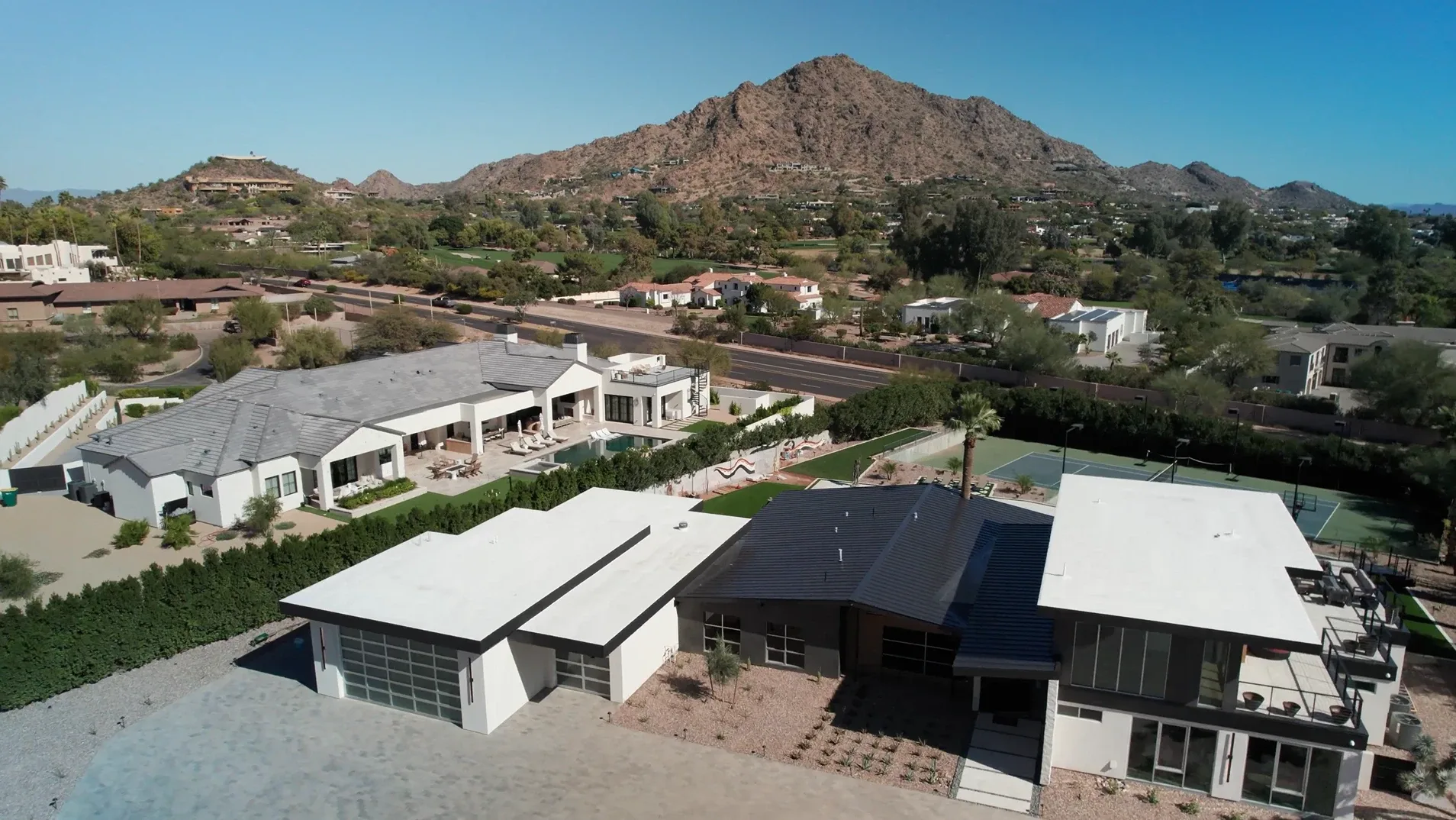
As a general contractor specializing in luxury home additions and remodeling and building new custom homes in Phoenix, Scottsdale, and Paradise Valley, Boxwell Homes often finds itself in backyards designed a decade or two ago that simply haven't kept pace with the rest of the house. Pool renovation is one of the projects we're asked about most, and for good reason.
In Arizona, a pool isn't a luxury add-on. It's the core infrastructure for how a home lives day to day. But pools age differently than the rest of a home. Sun, chemicals, and constant use wear on plaster, tile, and equipment years before the rest of the property needs attention. If your pool feels dated, is starting to show cracks and stains, or simply doesn't match the level of the home around it, a renovation can transform it into the centerpiece of your outdoor living space rather than an afterthought.
This guide walks through what a pool renovation actually involves, from a simple refresh to a full backyard transformation, so you can decide where to start.
Signs Your Pool Is Ready for a Renovation
Not every pool needs a complete overhaul, but common signs show it's time to renovate.
- Surface wear: rough plaster, visible staining, or chipped and cracked tile
- Outdated design: a rectangular pool with dated coping in a backyard that's otherwise been updated
- Inefficient or aging equipment: older pumps, heaters, and filtration systems that drive up utility costs
- Missing features: no shade, no spa, no water feature, or a layout that doesn't take advantage of mountain views
- Safety or function issues: deck cracking, unstable coping, or drainage problems around the pool
If any of these sound familiar, it's worth walking through the levels of renovation below to see where your project fits.
Level 1: Resurfacing and Cosmetic Refresh
The most common and affordable pool renovation is resurfacing. Plaster interiors naturally degrade over time, becoming rough, porous, and prone to staining. Resurfacing replaces the interior finish and can dramatically change the pool's look and feel without touching the structure or footprint. What's typically included:
- Draining and prepping the pool shell
- Removing the old interior finish
- Applying a new interior surface
- Re-grouting or replacing waterline tile
- Updating coping if needed
Interior finish options:
- Plaster: the traditional, most affordable option, with a lifespan of roughly 7–10 years
- Pebble finishes (such as Pebble Tec): more durable and textured, typically lasting 15–20 years, with a range of color options
- Glass bead or quartz aggregate finishes: a step up in both durability and shimmer, often used in higher-end renovations
- Tile: full tile interiors are the most premium and durable option, though the most expensive
This level of renovation is a great entry point if the pool's structure and layout are sound, but the finish is dated or deteriorating. It's also the project we see most often as a first step before a larger backyard renovation down the line.
Level 2: Feature and Functional Upgrades
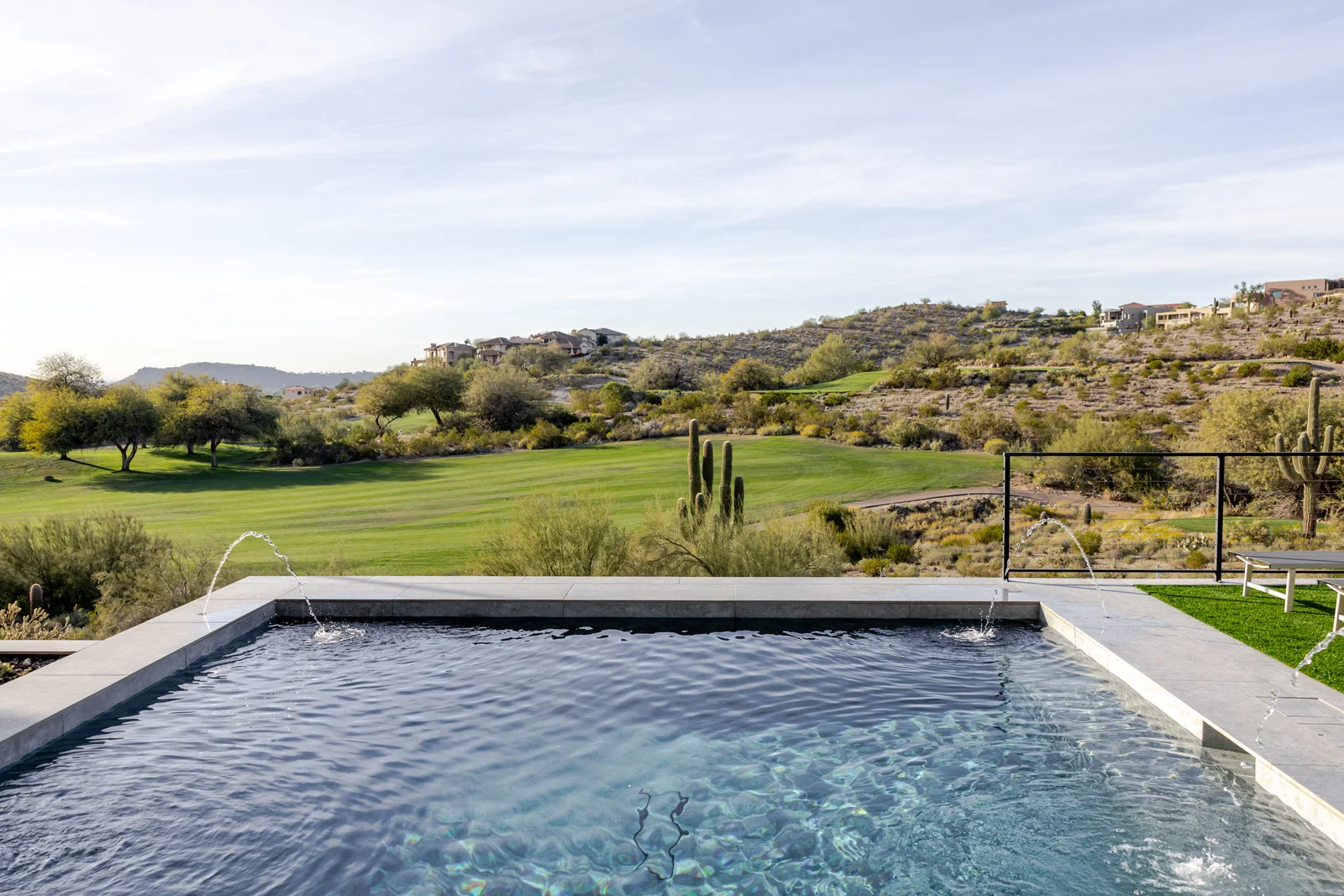
Once the surface is addressed, or alongside a resurfacing project, many homeowners choose to add features that modernize how the pool functions and feels. Popular additions include:
- Baja shelves (sun shelves): a shallow, submerged ledge perfect for loungers, popular in nearly every modern renovation
- Spas and hot tubs: added or renovated alongside the pool, often with a spillover feature connecting the two
- Water features: sheer descent waterfalls, bubblers, or fire and water bowls that add both sound and visual drama
- Tanning ledges and beach entries: softening the transition from deck to water
- New coping and decking: travertine, pavers, or poured concrete that ties the pool visually to the rest of the backyard
- Updated tile and waterline details: glass tile, natural stone accents, or mosaic details at key focal points
These upgrades are where a pool starts to feel less like a rectangle of water and more like a designed outdoor room, which is usually when clients tell us the backyard finally feels finished.
Level 3: Equipment and Energy Efficiency Upgrades
Older pool equipment is one of the biggest hidden costs of an aging pool. Renovating the mechanical side pays off in comfort, water quality, and lower operating costs. Worth evaluating during a renovation:
- Variable-speed pumps: dramatically reduce energy use compared to older single-speed pumps
- Modern heaters: including heat pumps, which are far more efficient than gas heaters for Arizona's climate
- Saltwater chlorination systems: softer on skin and eyes, and often easier to maintain than traditional chlorine
- Automation systems: app-controlled heating, lighting, and water features
- LED pool and water feature lighting: a simple upgrade with an outsized impact on nighttime ambiance
Because equipment is largely hidden, it's easy to overlook. But it's often the upgrade that has the most day-to-day impact on how much you enjoy (and spend on) the pool.
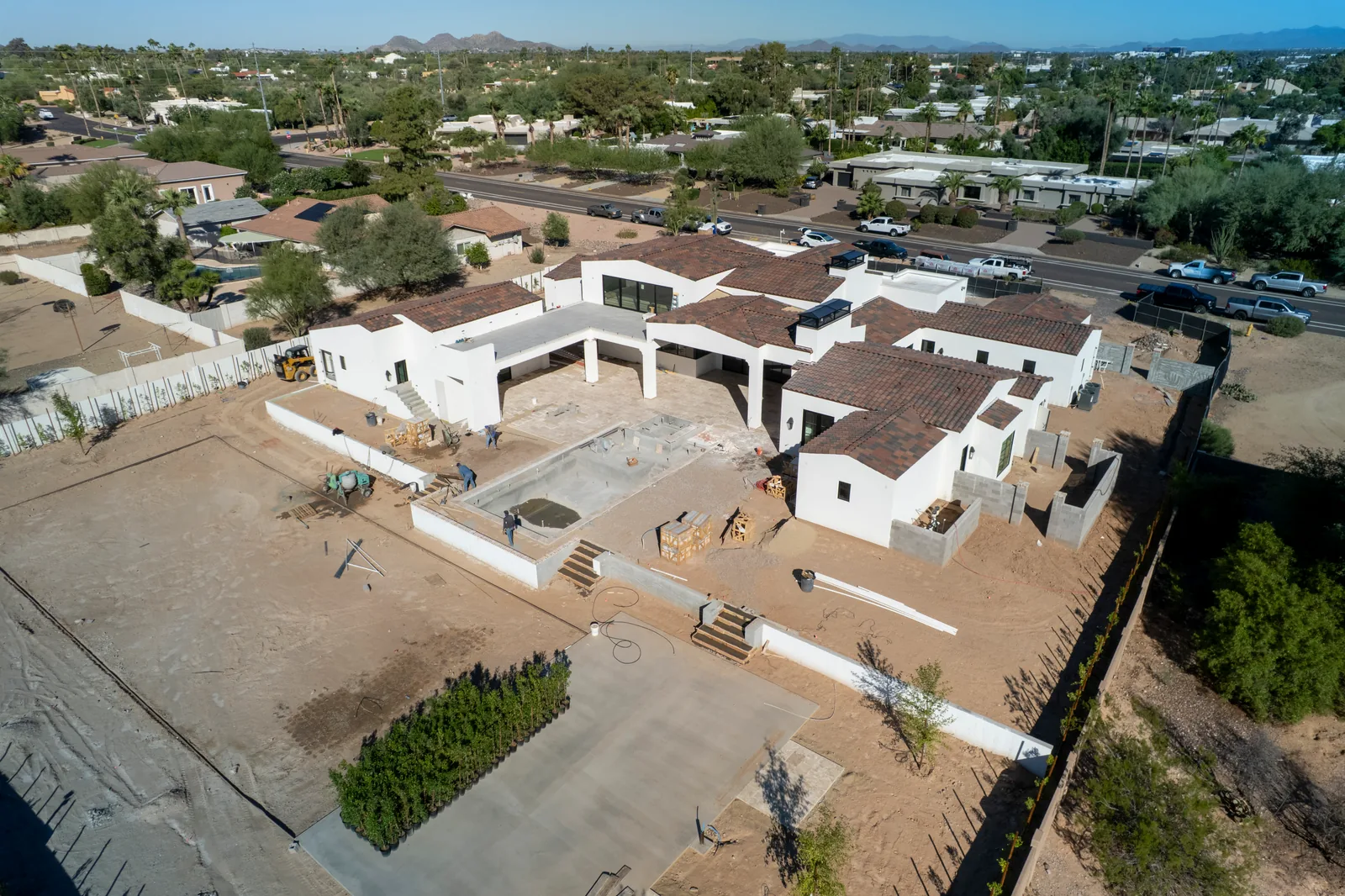
Level 4: Full Backyard Reimagining
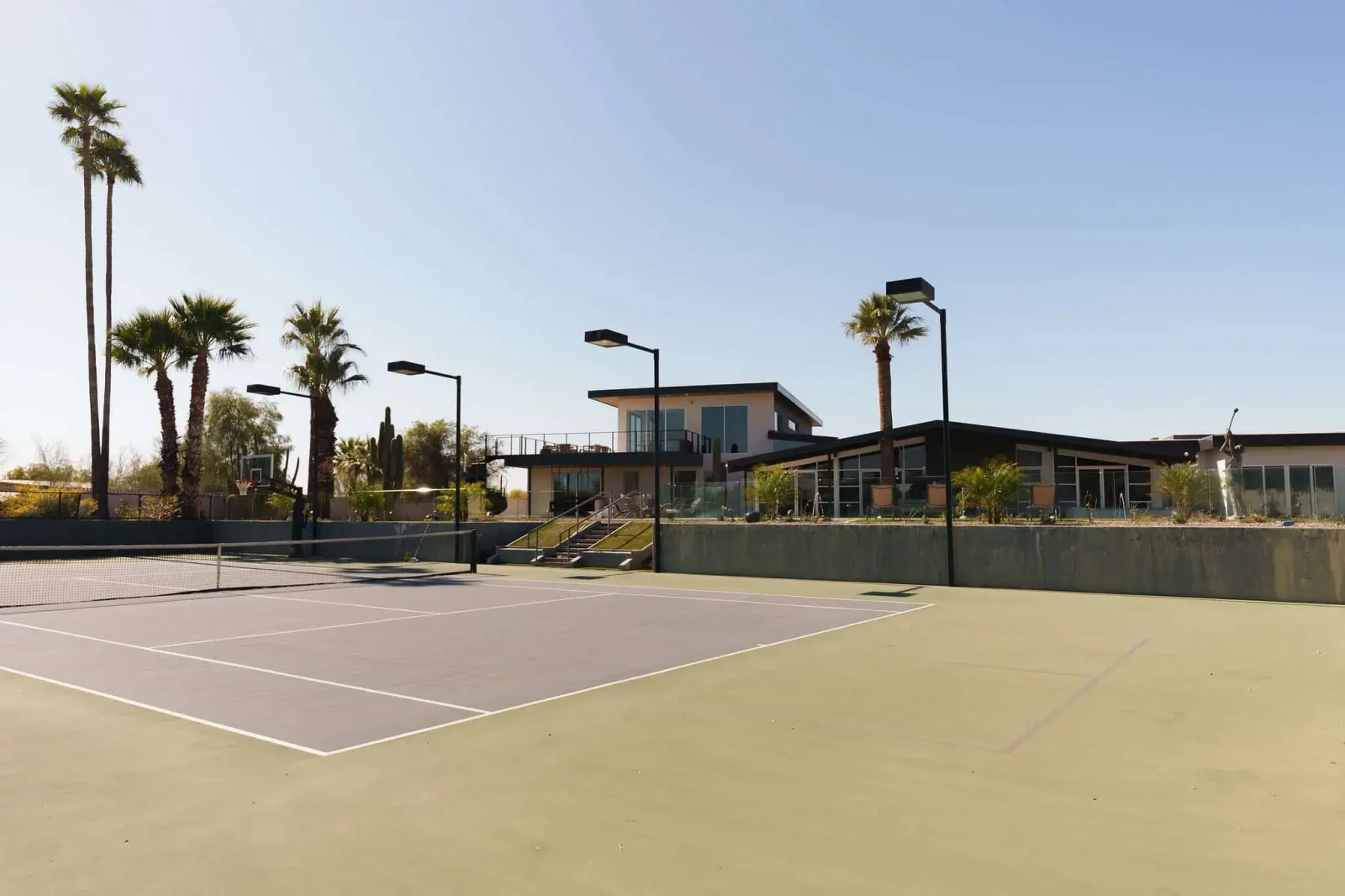
For homeowners ready to go further, a full renovation treats the pool as one element of a larger outdoor living plan. This is where a pool renovation starts to overlap with a broader remodel. Explore our McConnell renovation for a look at how outdoor amenities fit into a complete home transformation. Elements often included:
- Reshaping or expanding the pool: moving from a dated geometric shape to a freeform or resort-style design
- Outdoor kitchens and covered patios built to extend living space and frame the pool as the visual anchor
- Shade structures: ramadas, pergolas, or cabanas that make the space usable through Arizona's hottest months
- Fire features: fire pits or linear fire bowls integrated into the deck or seating areas
- Landscape and lighting redesign: desert-adapted plantings, uplighting, and hardscape that unify the whole backyard
This is the level of renovation that turns a backyard into a genuine extension of the home, and it's where working with a builder who understands both structural renovation and design pays off, since decisions about the pool, patio, and structure all need to work together.
What Drives the Cost of a Pool Renovation
Costs vary widely by scope, but these are the biggest cost drivers.
- Extent of surface work: plaster resurfacing costs far less than a full tile interior
- Structural changes: reshaping the pool or moving equipment adds significant cost versus working within the existing shell
- Added features: spas, water features, and Baja shelves each add both material and labor cost
- Decking and hardscape: the area and material of the surrounding deck often rivals the cost of the pool work itself
- Equipment upgrades: variable-speed pumps, heat pumps, and automation systems add upfront cost but reduce long-term operating expenses
Because these projects touch structural, mechanical, and design work at the same time, an accurate budget requires a clear-eyed walkthrough of the existing pool and a conversation about which upgrades matter most to how you'll use the space.
Why Structural Expertise Matters for a Pool Renovation
A pool renovation touches structural work, mechanical systems, and design decisions all at once, which is part of why it's worth working with a team that has experience beyond just pool resurfacing. Boxwell approaches pool renovations the same way we approach a custom home build: understanding how the structure, systems, and finishes need to work together before any construction starts. That's especially true for full backyard renovations, where the pool, patio, shade structures, and landscaping all must be planned as one connected space rather than a series of separate projects.
For pool-specific remodeling expertise, Waterform Pools offers pool remodels. Coordinating the pool scope with the wider renovation plan helps keep the backyard and home working together.
Planning Your Pool Renovation
Before starting, it helps to think through a few things.
- How you actually use the pool: laps, entertaining, kids, relaxation; what you'll do in your pool determines the shape, depth, and features
- How it connects to the rest of the yard: decking, shade, and sightlines from the house
- Your timeline: Arizona's cooler months are often the most practical time to be without a pool
- Whether equipment needs replacing regardless: aging pumps and heaters are worth addressing even in a lighter renovation
A pool renovation is one of the highest-impact projects you can take on for how a luxury home lives and entertains, and one of the most visible upgrades to guests and future buyers. Whether you're refreshing a tired surface or reimagining the entire backyard, the right approach starts with understanding what your pool needs versus what would simply be nice to have.
Frequently Asked Questions
How often does a pool need to be resurfaced?
It depends on the surface materials used for the pool and maintenance. Most plaster finishes need resurfacing every 7 to 10 years, while pebble and glass bead finishes can last 15 to 20 years or more.
Can I add features like a spa or Baja shelf without a full pool renovation?
Often, yes. Many of these additions can be incorporated during a resurfacing project or as a standalone upgrade, depending on the pool's existing structure and plumbing. We evaluate this during the initial walkthrough, so you know what's realistic for your specific pool.
How long does a pool renovation take?
A resurfacing project typically takes a few weeks, while a full backyard reimagining involving structural changes, new decking, and added features takes considerably longer. We provide a realistic timeline based on the scope once we've assessed the project.
Is it worth upgrading pool equipment if the pool itself doesn't need work?
Often, yes. Aging pumps and heaters are frequently the biggest drain on efficiency and cost, and upgrading to variable-speed pumps or heat pumps can pay off in lower operating costs regardless of whether the surface is renovated at the same time.
What's the best time of year in Arizona to renovate a pool?
Cooler months are typically the most practical time to be without a pool, since renovations require draining and construction access. Planning for a fall or winter start is worth considering if timing is flexible.
Does a pool renovation add value to my home?
Yes, a pool with the right features can add value to your Arizona home. High-income buyers want homes with resort-style pools and exterior amenities. Return on investment in Arizona is higher than the national average, plus, a pool renovation can help your home sell faster. The team at Boxwell Homes can help ensure your pool renovation has the features homebuyers want, contact us today.
Thinking through a pool renovation for your Phoenix, Scottsdale, or Paradise Valley home? Boxwell Homes brings the same structural and design expertise from custom home building to renovation and home addition projects, helping you plan a pool and backyard that matches the rest of your home.